Giant Hogweed and Northern Ireland’s Invasive Species: What to Look For and How to Help
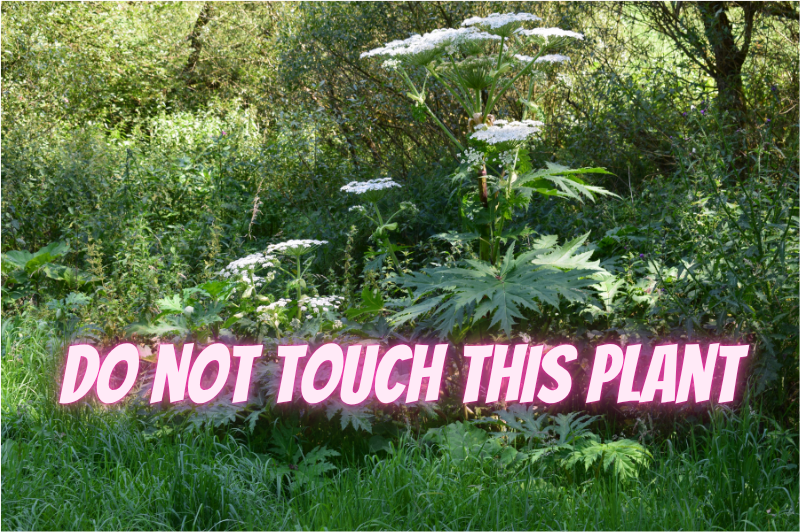
Northern Ireland’s riverbanks, woodlands and trails are incredible places to explore, but every now and then you’re going to come across a plant that’s best admired from a distance.
Giant Hogweed is top of that list.
In this blog, we explain how to recognise it, why it matters, and what to do if you spot it or any of our other invasive species while you’re out and about.
What is Giant Hogweed?
Giant Hogweed was originally brought to Ireland from the Caucasus region of central Asia by Victorian botanists. They were taken with its dramatic appearance. Planted in parks and gardens as an ornamental feature, it soon escaped into the wild, and it has since spread across Northern Ireland to become one of our most problematic invasive species.
It’s an impressive plant to look at, but one you really don’t want to touch.
Its sap is phototoxic, meaning that contact with skin reduces your skin’s ability to protect itself from the sun’s UV rays. Even a slight brush against it can lead to severe burns within minutes in sunlight, and in some cases the affected skin can remain sensitive to light for years afterwards.
Contact with the eyes can even cause blindness. For that reason, it’s important to give it a wide berth, and to keep children and dogs well away.
How to spot it
Giant Hogweed can look like an enormous version of native cow parsley, but there are some tell-tale signs:
- It grows up to 5 metres tall
- White, umbrella-shaped flower heads up to 80cm across
- Thick stems with distinctive purple blotches and stiff white bristles
- Huge, jagged leaves that can reach up to 3 metres in length, with bristles on the underside
- Most commonly found along riverbanks, but also in bogs, grasslands, woodland, and urban areas
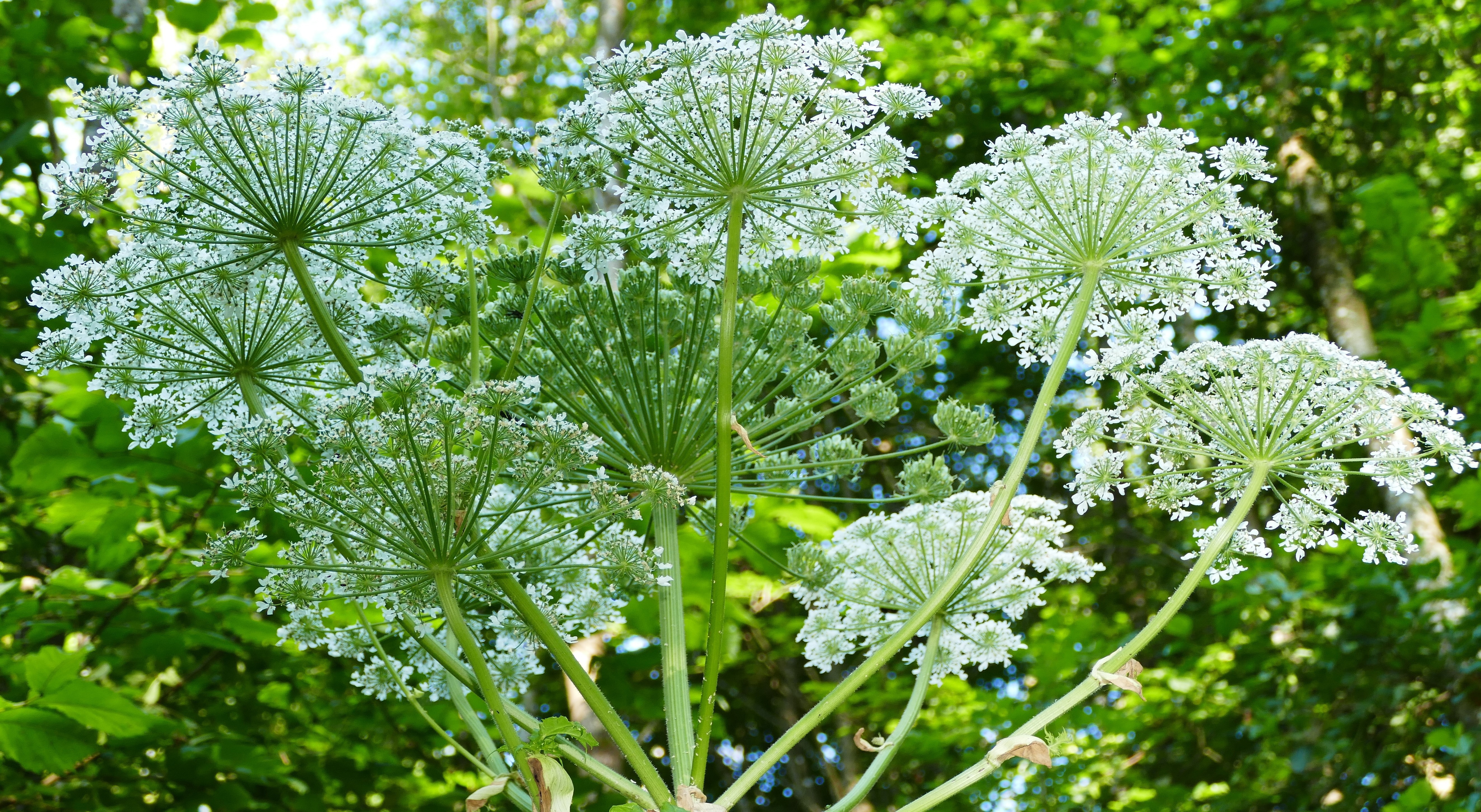
If you’re not certain, the safest approach is simply to treat any suspicious large plant with caution and avoid contact.
Northern Ireland’s other invasive species
Giant Hogweed is far from the only invasive plant to keep an eye out for. Invasive non-native species are recognised as one of the biggest threats to biodiversity worldwide, crowding out native plants, reducing habitat for wildlife, and in some cases damaging riverbanks and infrastructure. Alongside Giant Hogweed, the two you’re most likely to encounter in Northern Ireland are:
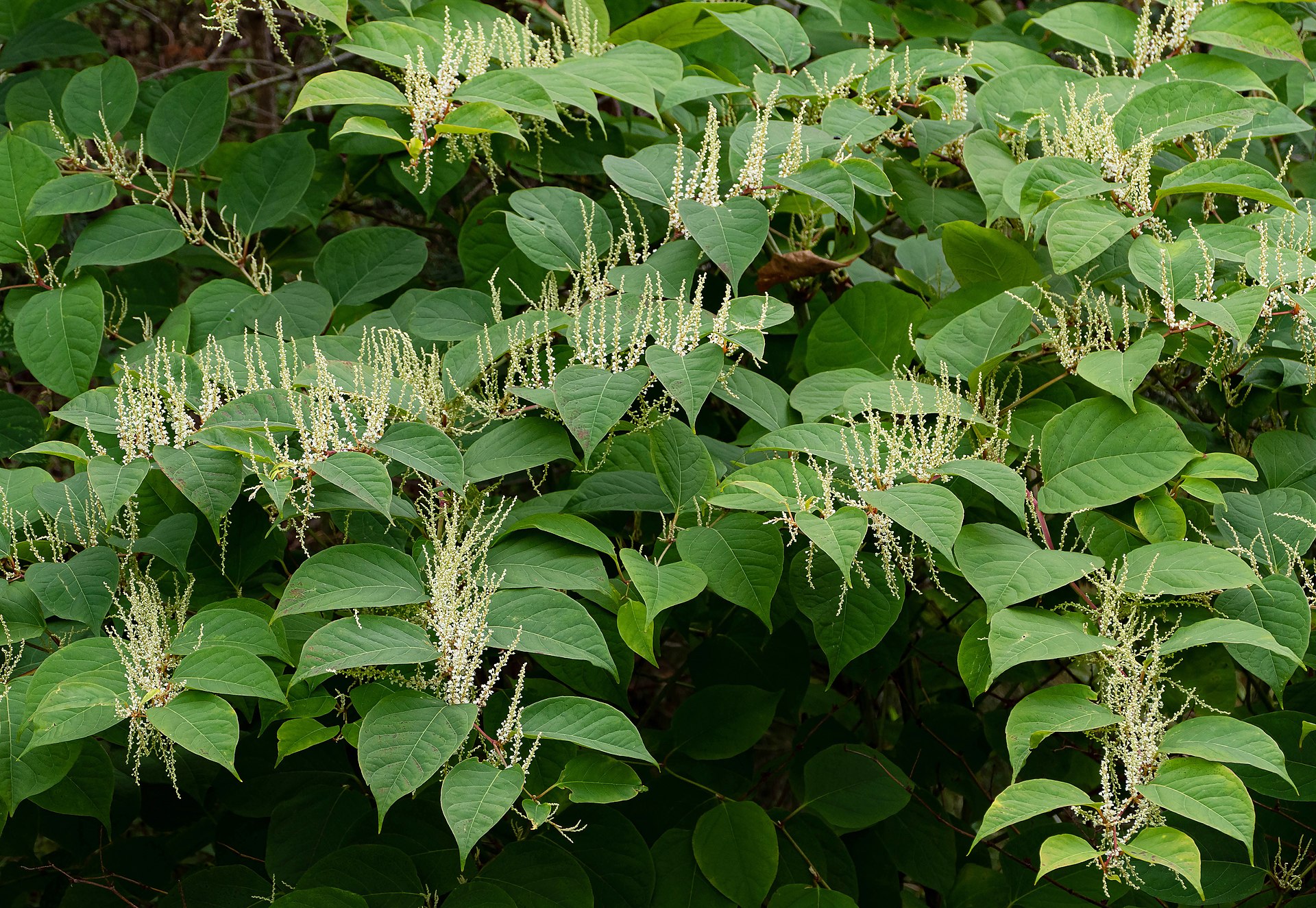
Japanese Knotweed Introduced from East Asia in the 19th century as an ornamental plant, Japanese Knotweed is now widespread across the island. It produces tall, bamboo-like canes up to 3 metres high, with heart or shovel-shaped leaves arranged in a zig-zag pattern along the stem, and strings of creamy-white flowers in late summer. It’s a remarkably persistent plant that spreads through its root system and can push up through concrete, tarmac and hard surfaces, making it a serious problem near buildings and flood defences. In winter the canes die back, leaving bare ground that’s more prone to erosion.
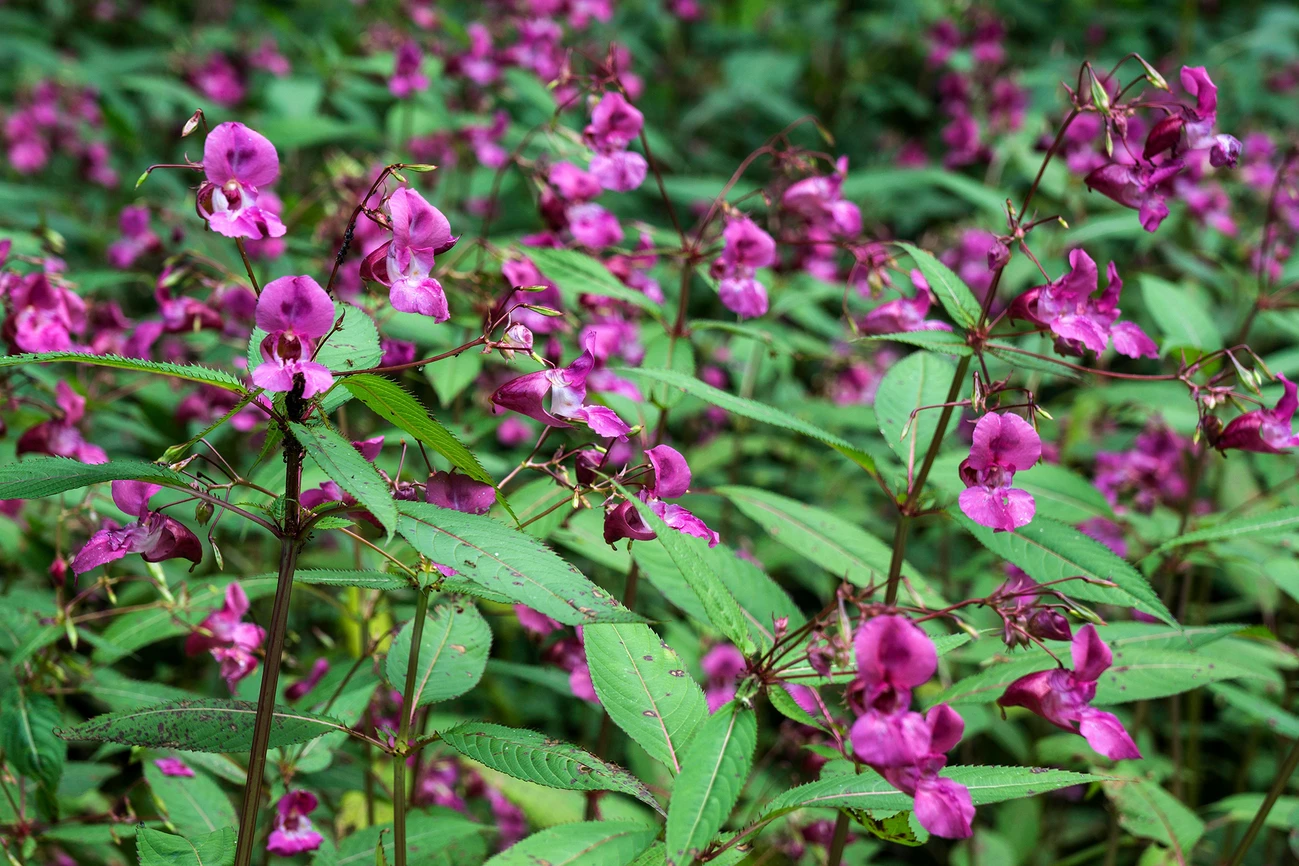
Himalayan Balsam One of the tallest annual plants in Ireland, Himalayan Balsam can reach 2 to 3 metres in height. It has smooth, pinkish-red hollow stems, dark green leaves, and distinctive pink slipper-shaped flowers. It’s usually found on damp ground such as riverbanks and nearby woodland. Its real trick is in its seeds: each plant produces seed capsules that burst open when touched, flinging seeds several metres away, which allows it to spread rapidly and smother native plants along waterways.
How to report a sighting
Spotting and reporting invasive species is one of the most useful things you can do to help. Your records help the relevant agencies track where these species are spreading and target their control efforts. If you come across Giant Hogweed, Japanese Knotweed, Himalayan Balsam or any other invasive species, you can report it in a few ways:
- CEDaR Online Recording: www2.habitas.org.uk/records/ISI
- Invasive Species Northern Ireland website: invasivespeciesni.co.uk
- The iRecord app, which lets you log sightings on the go
Where you can, it’s helpful to note the location, take a photograph from a safe distance, and record the date.
Help stop the spread
You don’t need to be an expert to make a difference. A few simple habits go a long way:
- Don’t touch or attempt to remove Giant Hogweed yourself. Report it and leave control to the professionals with the right protective equipment.
- Check, Clean, Dry. After being in or near water, clean any mud, seeds or plant fragments from your boots, clothing, bike and equipment before moving on to a new spot. Seeds and root fragments hitch a lift more easily than you’d think.
- Be Plant Wise. Never dump garden or pond waste in the countryside, as this is a common way invasive plants escape into the wild.
Northern Ireland’s outdoors is something we all share, and looking out for these species is a simple way to help protect it. So next time you’re on the trail, keep an eye out, keep your distance from anything that looks like Giant Hogweed, and take a moment to report what you see. It all helps to keep our wild places wild for the right reasons.
Stay on the Right Side of Outside and find hundreds of trails and places to explore at OutmoreNI.com.