Helping our Native Species Recover: Northern Ireland’s Fight Against Invasive Species
Northern Ireland has a wonderful cast of native plants and animals, from the gradually growing numbers of red squirrels in our forests to the freshwater mussels quietly filtering our loughs.
But our wildlife is under growing pressure on many fronts, not least from invasive non-native species: plants, animals and insects that arrive from elsewhere, take hold, and begin to push our native species out. Understanding the threat is the first step to tackling it, so today we’re going to take a closer look at the current situation in Northern Ireland right now, the damage these species can cause, and the good news that, with enough action, the tide can be turned.
What are invasive species? And how big is the problem in Northern Ireland?
Good questions! An invasive non-native species is simply one that has been introduced to our lands, usually by people, in a place that it wouldn’t normally reach and which then spreads in a way that harms the local environment. When it gets bad, the harm extends to our economy and even our health. That said, not every non-native plant or animal becomes a problem, but those that do can be remarkably difficult to stop.
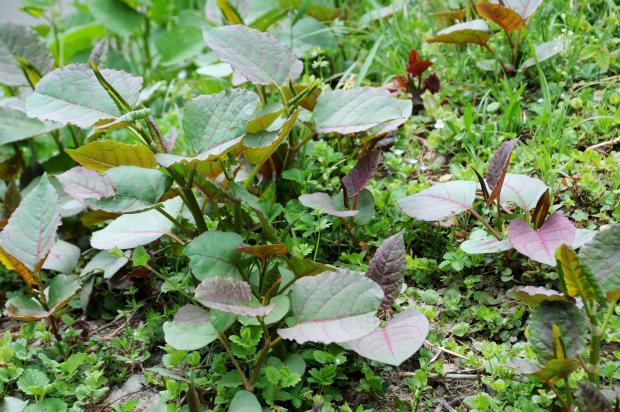
Northern Ireland is currently home to dozens of invasive species, with around a dozen categorised as ‘widely spread’ and subject to legal management. These range from the well-known plants like Japanese Knotweed (above), Giant Hogweed and Himalayan Balsm; to animals such as the grey squirrel and the particularly unpleasant New Zealand flatworm.
Across the whole of the UK, there are approximately 2,000 invasive non-native species with around 10 to 12 new species becoming established every year. That’s obviously a worrying trend.
The latest arrivals across Northern Ireland
In the last year or so, there have been two new invasive species sightings. Late in 2025, the highly invasive quagga mussel was confirmed in Northern Ireland for the first ever time, found in Lower Lough Erne in Co. Fermanagh. A tiny freshwater shellfish from the Black and Caspian Sea region, the quagga is a prolific breeder and a close relative of the zebra mussel which has been in NI waters since the 1990s.
The arrival has caused real concern amongst scientists in Northern Ireland, not least because – as NIEA has warned, there is currently no effective way to control or remove the species once it establishes in a water body.
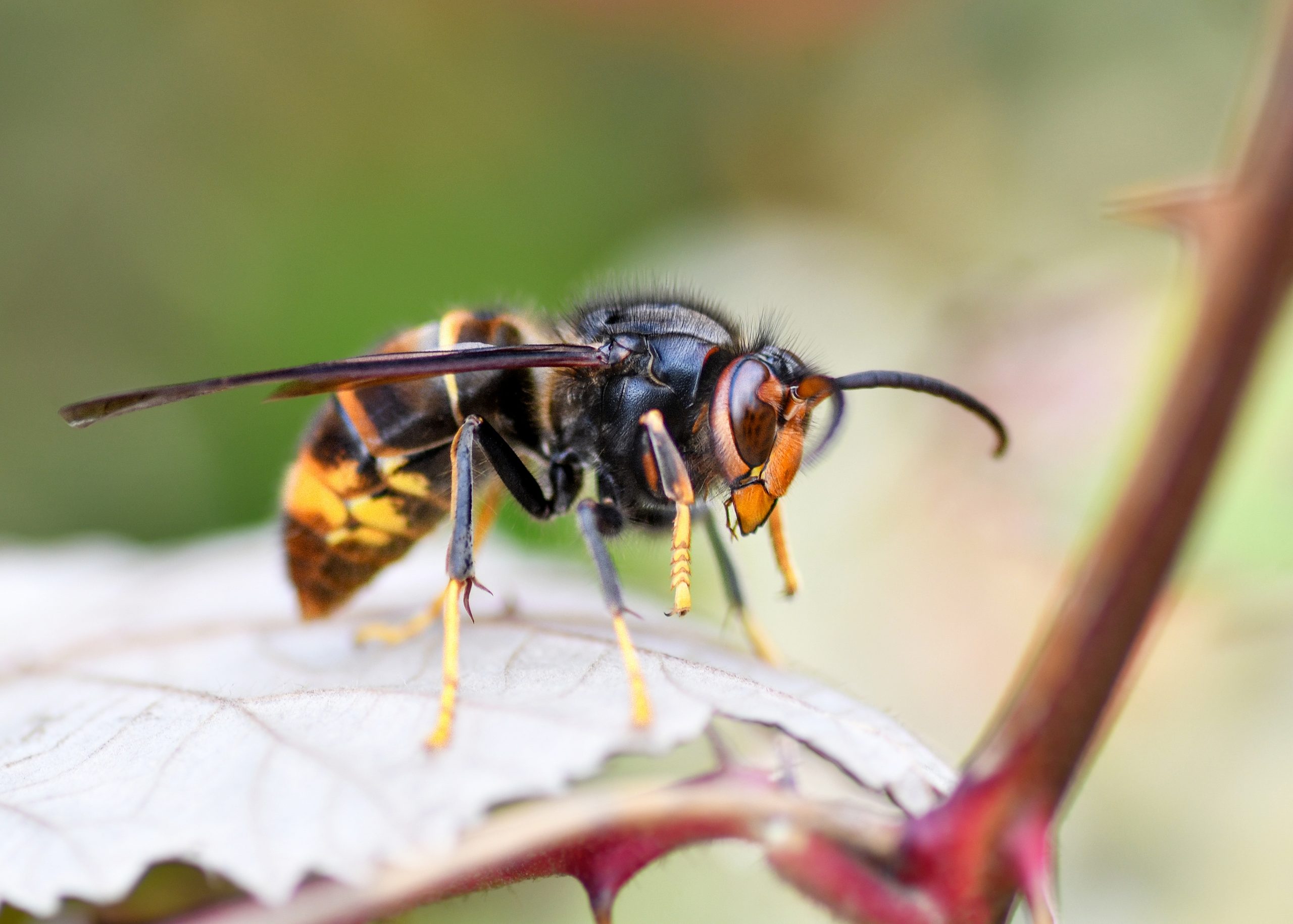
At the same time in 2025, Northern Ireland recorded it’s first ever Asian hornet nest, found in Dundonald. These terrifying creatures are voracious predators of already put-upon honeybees and other pollinators.
There have also been other arrivals, such as Rhododendron ponticum – an ornamental shrub gone rogue in the Mournes and Antrim hills.
What harm do they do?
The damage these species cause isn’t abstract. As we’ve touched upon in our previous blog, Giant Hogweed produces a sap that can cause severe blistering burns to human skin, making it a real danger to walkers, children and dogs. Himalayan Balsam dies back each winter to leave riverbanks bare and prone to erosion, and washes soil into our waterways. Japanese Knotweed can (somewhat impressively, we’ll admit) force its way through tarmac, concrete and building foundations, causing extremely costly structural damage.
In our waters, already facing serious difficulty from underfunded public utilities and the well known scourge of blue-green algae, the picture is arguably worse. Zebra and quagga mussels attach themselves to any hard surface in enormous numbers, clogging pipes and water treatment infrastructure, and driving up costs for the public. They also filter vast quantities of planton from the water, pulling the bottom out of the food web that native fish and invertebrates rely upon.
All together, it’s estimated that invasive species cost the UK economy around £4 billion every year.
The future threat
What makes these species so insidious is that the problem may only get worse. If left unchecked, our entire ecosystems can be reshaped – usually negatively – and those changes can be permanent.
A native freshwater mussel bed, once lost to quagga mussels, may never return. A woodland swallowed by rhododendron can take decades of intensive work to restore, if it recovers at all. As each invasive species tightens its grip, our native wildlife has fewer places to live, less food to eat and a smaller chance of recovery. Invasive species are now recognised as a factor in more than half of all recorded global extinctions. That’s a pretty sobering measure of just how much is at stake.
There is a human cost too. Poorer water quality, damaged flood defences, lost tourism appeal and rising clean-up bills all land, eventually, on communities and the public purse. The longer we wait, the harder and more expensive the problem becomes to manage.
Some good news! It can be done
Despite all this fairly heavy (but important to acknowledge) news, invasive species can be beaten. One of the best examples of this comes from East Anglia, in England, where a large South American rodent called the coypu had established itself after escaping from fur farms.
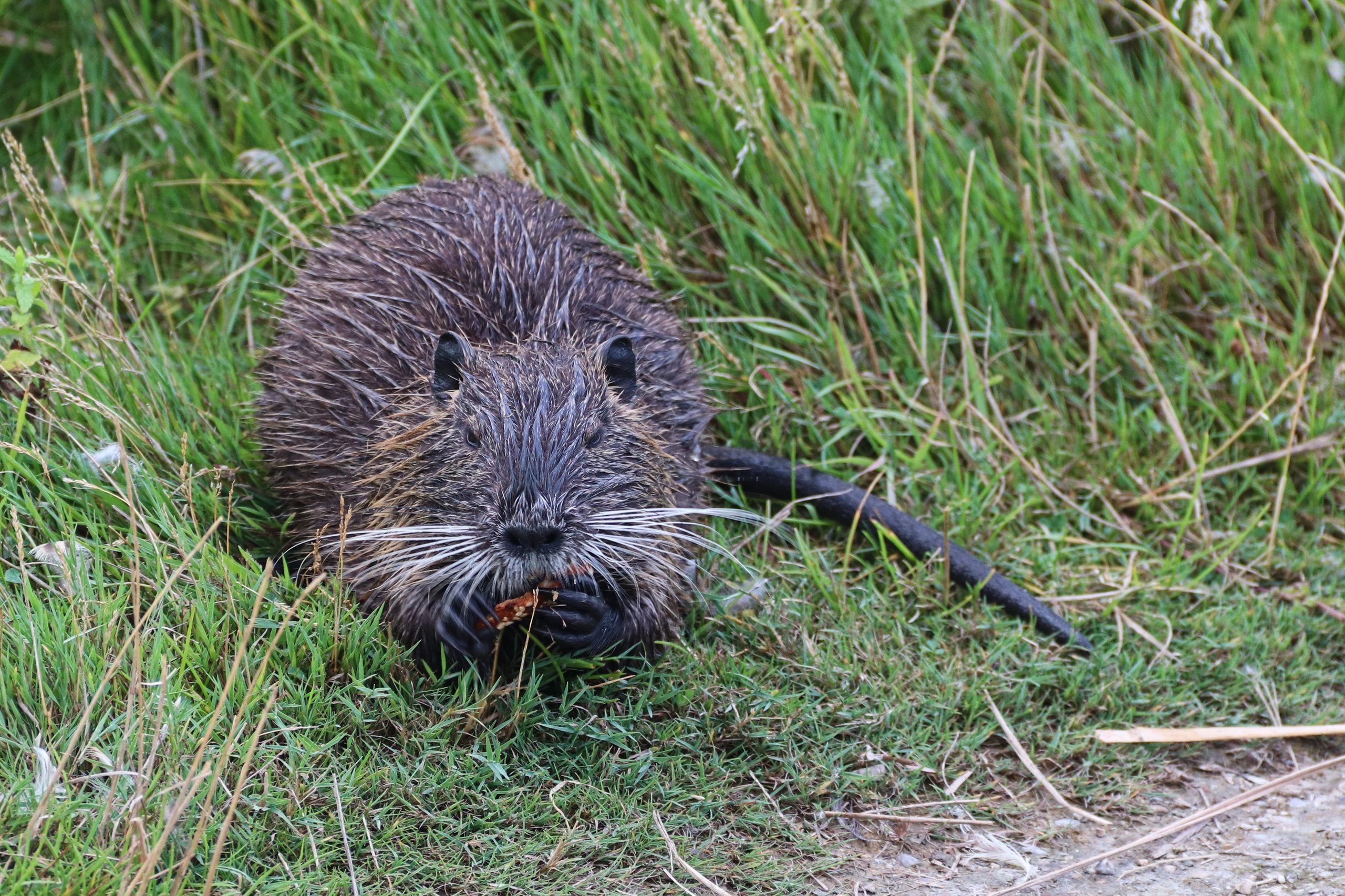
Growing up to a metre long, the coypu devestated reedbeds, crops and riverbanks in the 1980s. Within a few years, their numbers ran into the thousands and the damage kept increasing.
Rather than simply trying to manage the problem, the authorities began a bold, carefully planned eradication campaign in 1981. A dedicated team of trappers worked methodically across the area, assisted by scientific monitoring and constant re-evaluation. It was, by all accounts, a painstaking and slow process. But, critically, it worked. By January 1989 the species was declared completely eradicated from the UK. This remains one of the very few examples anywhere in the world of an invasive mammal successully being wiped out.
Interestingly, the coypu is on Northern Ireland’s own invasive species watch list, so the lessons are ones which we should take seriously.
What can I do?
The lesson from the copy is a simple one. Early detection and swift action – which is where you come in! You don’t need to be an expert to make a big difference. Learn to recognise the key offenders. Knowing what Giant Hogweed, Japanese Knotweed or Himalayan Balsam look like means you can avoid and report them.
Report invasive species using the iRecord app, or if you come across an Asian hornet nest, via the dedicated Asian Hornet Watch app.
If you’re a recreational dipper, paddler or swimmer, then check, clean and dry your kit before moving between different water bodies. Tiny mussel larvae and plant fragments can easily hitch a ride more easily than you’d think.
Be plant wise in the garden. Never dump garden or pond waste in the countryside and take care over what you plant near waterways. Many of the problematic species we encounter today began as ornamental choices that escaped into the wild.
Northern Ireland’s native species have a really great chance to recover, if they’re given the chance. Stay vigilant, take the necessary precautions and remember that everyone can make a difference.