How to Check Yourself for Ticks After a Day Outdoors
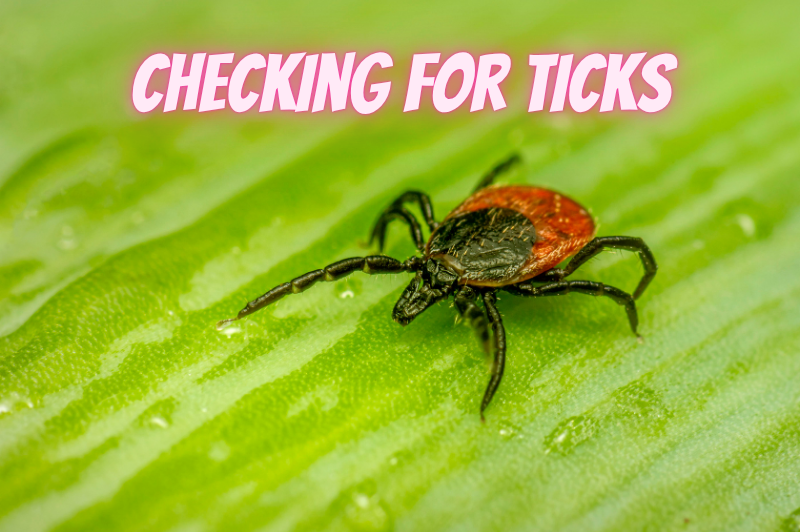
Northern Ireland’s outdoors are spectacular places to explore, and thankfully devoid of any really dangerous species. A quick tick check when you get home is all it takes to keep them that way.
Ticks are present across Northern Ireland in both urban and rural environments, and are active from spring through to autumn, with numbers peaking in the summer months. The good news is that only about 5% of ticks in Ireland carry Lyme disease bacteria, and the risk of becoming ill after a bite is low, especially if any tick is found and removed promptly.
Where to look
Ticks are small. Often they’re no bigger than a poppy seed, and their bites are rarely painful, so you may not feel one at all. In adults, ticks most commonly bite on the legs and arms, but they can bite anywhere on the body, especially warm, sweaty areas not covered by clothing. In children, they are most likely to bite around the head and neck.
Focus your check on these areas:
- Behind the knees and in the groin
- Under the arms
- Around the waist
- In and around the ears
- The scalp and hairline
- The belly button
- Between the legs
A hand-held mirror is useful for checking harder-to-see spots on your back and legs.
How to check
Try to check as soon as you can after coming indoors ideally before getting into bed. Check your children for ticks, especially around the head and hairline, and check pets too, as they can carry ticks in from outside.
Run your fingers slowly over your skin, feeling for any small bumps that weren’t there before, and check your clothing and outdoor gear before putting it away.
Found a tick? Here’s what to do
Use fine-tipped tweezers or a tick removal tool (available from some pharmacies, vets and pet shops). Grasp the tick as close to the skin as possible and pull slowly upwards, taking care not to squeeze or crush it. Clean the bite with antiseptic or soap and water. Do not try to burn the tick off or apply petroleum jelly, as this can make things worse. Health Protection Surveillance Centre
Lyme infection requires a tick to be attached for typically 24 hours or more, so prompt removal dramatically reduces your risk.
What to watch for afterwards
Keep an eye on the bite area over the following weeks. The most common sign of Lyme disease is a circular red rash around the tick bite, which can appear up to three months after being bitten, though most will appear within the first four weeks.
Not everyone with Lyme disease develops a rash, so if you experience flu-like symptoms such as fever, fatigue, headaches or joint pain following a tick bite, it’s worth speaking to your GP and letting them know you’ve been bitten.
When caught early, Lyme disease is straightforward to treat with antibiotics.
Don’t let it put you off
A quick check at the end of a day outdoors takes just a few minutes and is a small habit worth building. Northern Ireland’s trails are there to be enjoyed, and a little awareness goes a long way in keeping every walk, run or ride a good one!